Most Popular Wedding Accessories for 2026 Brides


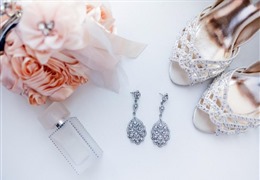
Where Bridal Accessories Sit in 2026
Bridal accessories have moved away from over-the-top embellishment toward thoughtful, well-chosen pieces that complete the look without competing with the dress. The 2026 bride is more likely to invest in one meaningful accessory (a statement veil, a family heirloom, a distinctive pair of shoes) than to accumulate five decorative pieces. That shift — from quantity to intention — shapes every category below.
The guide covers the accessories that are trending, the ones worth spending on, the ones to skip, and the budget math that keeps the accessories total from ballooning past what most brides realize it will. Think of accessories not as decoration but as the finishing layer that ties the dress, hair, and overall style together.
Veils: The Single Most Consequential Accessory
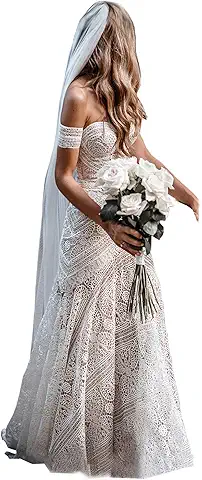
The veil is the one accessory that most dramatically changes how the dress photographs. A well-chosen veil adds softness, movement, and a ceremonial quality that almost nothing else replicates. The 2026 veil choices:
- Cathedral veil (108 inches or longer): dramatic, formal, photographs beautifully in wide shots. Best for classic and romantic weddings. Cost: $200 to $800 ready-made, $600 to $2,500 custom.
- Fingertip veil (36 to 40 inches): the most versatile length. Flatters most dress silhouettes and works across formality levels. Cost: $80 to $400.
- Elbow-length or shoulder veil: casual and modern, best for simpler dresses and garden or outdoor weddings. Cost: $60 to $250.
- Birdcage veil (short face veil): vintage-inspired, best for tea-length or mid-century-styled weddings. Cost: $50 to $200.
- No veil: an increasingly common choice, especially for second-look reception outfits or for brides choosing statement headwear (a crown, a hair clip, flowers) instead.
The single best way to pick a veil: try three different lengths at your final dress fitting, photograph each one, and compare. What looks beautiful in the mirror may photograph differently.
Shoes: Where to Spend and Where to Save
Wedding shoes are the accessory most often overspent on and underused. Unless your dress is short or has a visible shoe moment, the shoes are barely visible in photographs. Spend accordingly.
Recommendations by dress type:
- Long dress that covers the shoe: comfortable flats or a low block heel are the right call. Budget $80 to $250. No one will see them.
- Long dress with partial visibility (slight train, lifted hems in movement): mid-range heels in a complementary tone. Budget $150 to $400.
- Shorter or tea-length dress: invest in distinctive shoes that photograph well. $300 to $900.
- Second-look reception shoes: this is where many brides swap into sneakers, sandals, or comfortable flats for dancing. $60 to $200.
The single best shoe decision for most brides: two pairs. Formal shoes for the ceremony and portraits, comfortable shoes for the reception and dancing. Splitting the shoe budget this way produces more comfort and better photos than investing in one pair that has to do everything.
Jewelry: Less Is Almost Always More
The most common jewelry mistake is wearing too much. A single meaningful piece consistently photographs better than a full set. Specific guidelines:
- Earrings: match the formality of the dress. Delicate studs or small drops for modern minimalist dresses; statement earrings (chandelier, hoops, drops) for dresses with plain necklines; skip entirely if wearing a dramatic headpiece.
- Necklace: usually skip. A well-chosen dress neckline is its own statement and a necklace competes with it. Exceptions: heirloom or meaningful pieces, or a simple chain with a pendant for open necklines.
- Bracelet: optional. A thin tennis bracelet or bangle for brides who normally wear bracelets; often skipped entirely.
- Hair jewelry: trending in 2026. Small pearl pins, hair vines, or a small clip can replace a tiara for a modern look.
Prioritize sentimental pieces over new purchases. An heirloom bracelet from a grandmother photographs more meaningfully than a newly bought designer piece. Rotate in borrowed or family jewelry wherever possible — the 'something borrowed' tradition exists because it produces meaning, not just coverage.
Belts and Sashes
A well-chosen belt or sash can elevate a simpler dress into a statement look. In 2026, thin embellished belts and detachable bow sashes are the two dominant options — both add a point of visual interest without competing with the dress's other details.
Thin jeweled or beaded belt: $80 to $400, adds sparkle at the waist without requiring heavy dress embellishment elsewhere.
Detachable bow or ribbon sash: $40 to $200, the 2026 detail move. Works especially well with sleek column dresses.
Avoid wide fabric belts, floral belts, or any belt that creates visual confusion with the dress's existing detail. If the dress already has embellishment at the waist, skip the belt entirely.
Hair Accessories: The Biggest Shift of 2026
Hair accessories are trending more than any other bridal category in 2026. The bride who skips the veil often replaces it with a hair piece — and the resulting look reads modern rather than traditional.
What is trending:
- Pearl pins and small pearl clips, scattered through an updo or tucked into waves
- Hair vines (decorative pieces woven through a braid or updo)
- Statement hair bows, often in fabric matching the dress
- Hair clips in vintage-inspired styles
- Real flowers (small blooms tucked into the hair, often matching the bouquet)
What is not:
- Tiaras (too traditional for 2026 unless genuinely heirloom or culturally meaningful)
- Flower crowns (over-associated with the mid-2010s boho trend)
- Glitter-heavy clips (read dated)
The right hair accessory amplifies the hairstyle you chose. Bring your hair accessory to your hair trial so the stylist can build the style around it.
What to Skip Entirely
Accessories that consistently fail to pay off:
- Decorative garters (dated, rarely photographed meaningfully)
- Wedding-specific handbags (small, impractical, not reused)
- Embroidered lingerie purchased specifically for the wedding night (usually not worth the cost)
- Themed jewelry pieces with 'bride' text or wedding-day imagery
- Cheap metallic costume jewelry sets purchased from wedding-specific retailers
- Anything designed to be worn only once that would not appear in a non-wedding outfit
The test: would you wear this accessory to another event in the next two years? If no, consider whether it is worth buying for one day.
The Realistic Accessories Budget
Most brides underestimate the accessories total. A realistic 2026 budget for a typical wedding:
- Veil: $100 to $600
- Shoes (one or two pairs): $150 to $500 combined
- Jewelry: $150 to $600 (less if using heirloom pieces)
- Hair accessories: $50 to $250
- Belt or sash: $0 to $200 (optional)
- Undergarments: $100 to $350 (often overlooked but essential)
Typical total: $550 to $2,500. High-end total with designer veils and custom jewelry: $2,500 to $6,000.
Build the accessory budget as a line item from the start, not at the end of planning. The single most common accessories budget mistake is spending the $2,000 final alterations budget on last-minute accessory purchases because the total was never planned for.