Top 10 Wedding Rings Trends to Watch in 2026


Where Wedding Rings Are Heading in 2026
Wedding rings have become one of the most deliberate purchase categories in the wedding industry. Where engagement rings are often treated as romantic gestures (and priced accordingly), wedding rings are increasingly seen as long-term jewelry investments selected with care for daily wear, practical durability, and aesthetic longevity. The result is a 2026 market that rewards careful shopping and punishes impulsive purchases.
The ten trends below cover what is actually happening in couples' wedding-ring shopping this year: metal choices, style preferences, matching-set decisions, stacking strategies, and the purchases that hold up. Use this as a filter for your own ring shopping — but prioritize what will genuinely suit your hand and your lifestyle over what is most trending.
Trend 1 and 2: Gold Is Back, Platinum Holds
Trend 1: Yellow gold has surged back after a decade of white-metal dominance. 18k yellow gold is now the most-purchased wedding band metal for the first time since the 1990s. The warm tone flatters a broader range of skin tones than white metals, ages beautifully, and photographs with a richness that bright white cannot match.
Trend 2: Platinum remains the most durable option. Platinum is denser, harder, and more hypoallergenic than gold, and it develops a soft patina over time that many couples prefer over high-polish finishes. For couples who wear their rings through demanding physical work, platinum is still the right call. Price premium over 18k gold: 30 to 50 percent.
Rose gold has receded from its mid-2010s peak but remains popular for brides who already wear rose-gold jewelry. White gold is being chosen less frequently for new rings because of the rhodium-plating maintenance requirement. Mixed-metal rings (two tones in a single band) are a smaller but stylish trend for couples who want a single piece to match multiple jewelry wardrobes.
Trend 3: The Comeback of Textured Bands
Textured wedding bands — hammered, brushed, matte-finish, or etched patterns — have grown significantly in 2026. The appeal: texture hides scratches and wear, meaning the ring looks better at year 10 than a high-polish ring does at year 3.
Best for: couples with active lifestyles, couples who work with their hands, and couples who want a distinctive ring that will age gracefully.
Specific styles trending: stone-hammered finish (strongest signal of 'designed-for-wear'), lightly brushed finish (subtle, elegant), Florentine etching (fine crosshatch pattern), matte brushed finish (modern minimalist).
Price: typically $200 to $600 more than a plain-polished equivalent in the same metal.
Trend 4 and 5: Matching Sets and Deliberate Mismatching
Trend 4: Matching ring sets (same metal, same width, similar or complementary design) remain popular for traditional couples. The 2026 version is subtler than matching rings of a decade ago — both rings might be 18k gold with a brushed finish but with slight differences in width and profile.
Trend 5: Deliberate mismatching has become an equally valid choice. Many couples pick rings independently based on what each person wants to wear, and the rings end up in different metals, widths, and styles. This approach reads more modern and often produces rings that both people genuinely love, rather than one partner compromising.
The pattern: couples who have strong individual jewelry preferences are choosing unmatched rings more often. Couples without strong preferences often find matching sets feel more romantic and work well.
Trends 6 and 7: Stacking Bands and Lab-Grown Diamonds
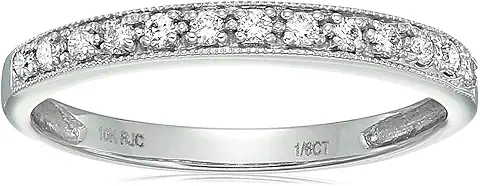
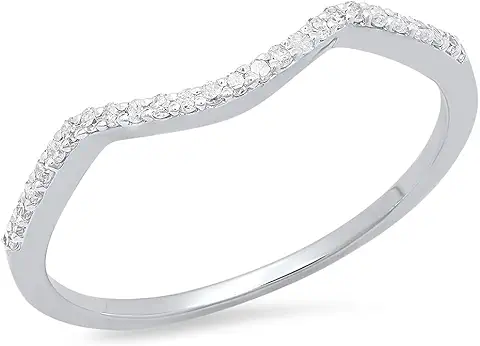
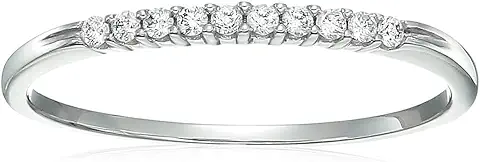
Trend 6 is stackable wedding bands — wearing the wedding band plus one or more thinner stacking bands alongside. This has become a major 2026 trend, especially for brides who already wear fashion jewelry regularly. The appeal: the wedding set can be customized over time with anniversary bands, birth-stone bands, or commemorative pieces. Popular stacking approaches include a single thin wedding band plus engagement ring, a thin wedding band plus diamond-eternity band plus engagement ring, a plain wedding band plus one anniversary-style band added each decade, or a contoured band designed to sit flush against the engagement ring. Budget: thin stacking bands in 14k or 18k gold run $400 to $1,200 for plain bands, $800 to $3,500 for diamond-accent bands.
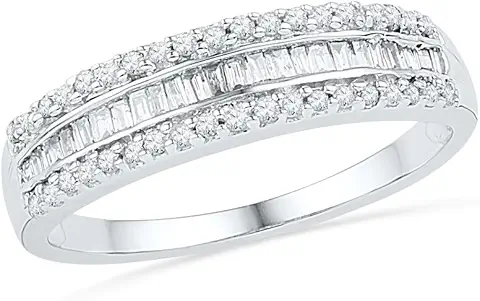
Trend 7 connects directly to stacking: lab-grown diamond eternity bands have become the fastest-growing wedding band category in 2026. Lab-grown stones cost 40 to 70 percent less than mined equivalents with no visible difference, and the price reduction makes eternity bands accessible to couples for whom they would have been out of reach a few years ago.
Cost reality in 2026:
- Full diamond eternity band with lab-grown stones (1.5 carat total): $1,500 to $3,500
- Full diamond eternity band with mined stones (1.5 carat total): $4,500 to $10,000
- Half-eternity lab-grown: $800 to $2,200
For couples who want the look of a diamond eternity band without the mined-diamond premium, lab-grown is the obvious choice. The difference is invisible to the eye and only detectable with specialized equipment.
Trend 8: Men's Ring Options Expand
Men's wedding-band options have diversified significantly in 2026. Where the 1990s and 2000s defaulted to a plain gold or platinum band, the modern groom has dozens of legitimate choices. The expansion is driven partly by alternative materials and partly by the cultural acceptance of more varied menswear jewelry.
2026 men's ring options:
- Platinum (still the most-purchased premium option)
- 18k yellow or white gold (traditional)
- Palladium (lighter than platinum, similar color, lower cost)
- Tungsten carbide (durable, scratch-resistant, low cost — but cannot be resized)
- Titanium (lightweight, hypoallergenic, modern)
- Damascus steel (distinctive pattern, for grooms who want something different)
- Two-tone designs (often 18k yellow gold exterior with platinum interior)
Avoid: silicone rings as primary wedding bands (fine as backup for athletic activities; not substantial enough as the main piece).
Trends 9 and 10: Personalization Plus Longevity Over Fashion
Trend 9 is engraving. Interior messages engraved inside the ring have seen a quiet resurgence in 2026 — wedding date, initials, short phrases from vows, latitude and longitude of the wedding location. These add emotional weight without changing the ring's exterior aesthetic. Cost: $30 to $150 per ring for engraving, depending on font, length, and jeweler.
Trend 10 is the overarching shift: couples are treating wedding rings as lifelong purchases rather than fashion items. This shows up in higher metal weights (more substantial bands rather than thin delicate ones), classic silhouettes (timeless rather than trendy), and increased investment per ring ($2,500 to $5,000 per band is the new mid-tier, up from $1,500 to $3,000 a decade ago).
The implication: buy rings you will still want to wear in 20 years, not rings that are trendy right now. A classic 4mm platinum band will look as appropriate in 2046 as it does in 2026. A highly stylized fashion-forward ring may look dated in photos from year five onward.
How to Shop Smart
Practical guidance beyond trends:
- Try on rings in person before buying — online shopping for rings is reliable for plain bands but risky for anything distinctive
- Size your ring when your hand is at room temperature, not after exercise or in cold weather
- Prioritize fit comfort over style once you have a shortlist — a ring that pinches at day 3 will be miserable by year 10
- Buy from a jeweler with a strong resizing and repair policy; you will need it within the first 5 years
- Budget for annual cleaning and every-5-year prong checks (free or low-cost at most jewelers)
- Insure the rings — typical cost is $1 to $2 per $100 of value annually
The wedding rings you wear every day for the next 50 years deserve the same deliberation you give to the dress or suit you wear for 8 hours. In most cases, the rings will outlast the wedding itself in your daily experience by several decades.